Sleep and Temperature Are Inseparable
Your body temperature needs to drop slightly for quality sleep. When bedroom temperatures exceed 24°C, this natural process struggles. You toss, turn, wake repeatedly, and drag yourself through the next day exhausted.
Air conditioning solves this problem. But concerns arise: Is it safe? Will electricity costs spiral? Does constant cooling cause health issues? Let’s separate fact from fear.
The Optimal Sleep Temperature
Research consistently shows 16-19°C is ideal for sleep. Your body cools naturally during rest, and a cooler environment facilitates this process. Too warm and your body works to shed heat, disrupting sleep. Too cold and you’ll wake uncomfortable.
Most people set bedroom air conditioning to 18-20°C, cool enough for quality sleep without feeling uncomfortably cold. Modern systems maintain this temperature precisely, cycling on and off rather than running constantly.
Is Overnight Air Conditioning Safe?
Absolutely, when used correctly. Concerns about overnight air conditioning stem from older systems that dried air excessively and created uncomfortable draughts. Modern air conditioning operates differently.
Quality units include humidity control, maintaining comfortable moisture levels rather than creating desert-like conditions. Quiet operation (19-25 decibels) won’t disturb sleep. Gradual, consistent temperature control feels natural rather than shocking.
The “sleep mode” or “quiet mode” found on premium systems reduces fan speed and adjusts settings for overnight comfort. It’s specifically designed for bedroom use while you sleep.
Running Costs Reality Check
A bedroom air conditioning unit running overnight (8 hours) costs approximately 40-80p depending on electricity tariff and outside temperature. That’s roughly £12-24 per month during the hottest weeks of summer.
Compare this to the cost of poor sleep: reduced productivity, increased irritability, health impacts from chronic sleep deprivation. For most people, the modest electricity cost is worthwhile for consistently good sleep during summer.
Timer functions let you cool the room before sleep, run for a few hours, then switch off as night temperatures naturally drop. This reduces running time and costs while maintaining comfort through your deepest sleep hours.
Health Considerations
Sleeping in air-conditioned rooms doesn’t cause illness despite persistent myths. What does cause problems: dramatic temperature differences (coming from 30°C outdoors into a 16°C bedroom), air blowing directly on you while sleeping, or very dry air.
Avoid these issues by setting temperatures sensibly (18-20°C, not arctic), positioning units so airflow doesn’t blast you directly, and using systems with humidity control. Modern air conditioning maintains healthy bedroom environments.
People with respiratory sensitivities should ensure filters are cleaned regularly. Dirty filters circulate dust and allergens. Clean systems actually improve air quality by filtering out particles and maintaining consistent, comfortable conditions.
Practical Setup for Sleep
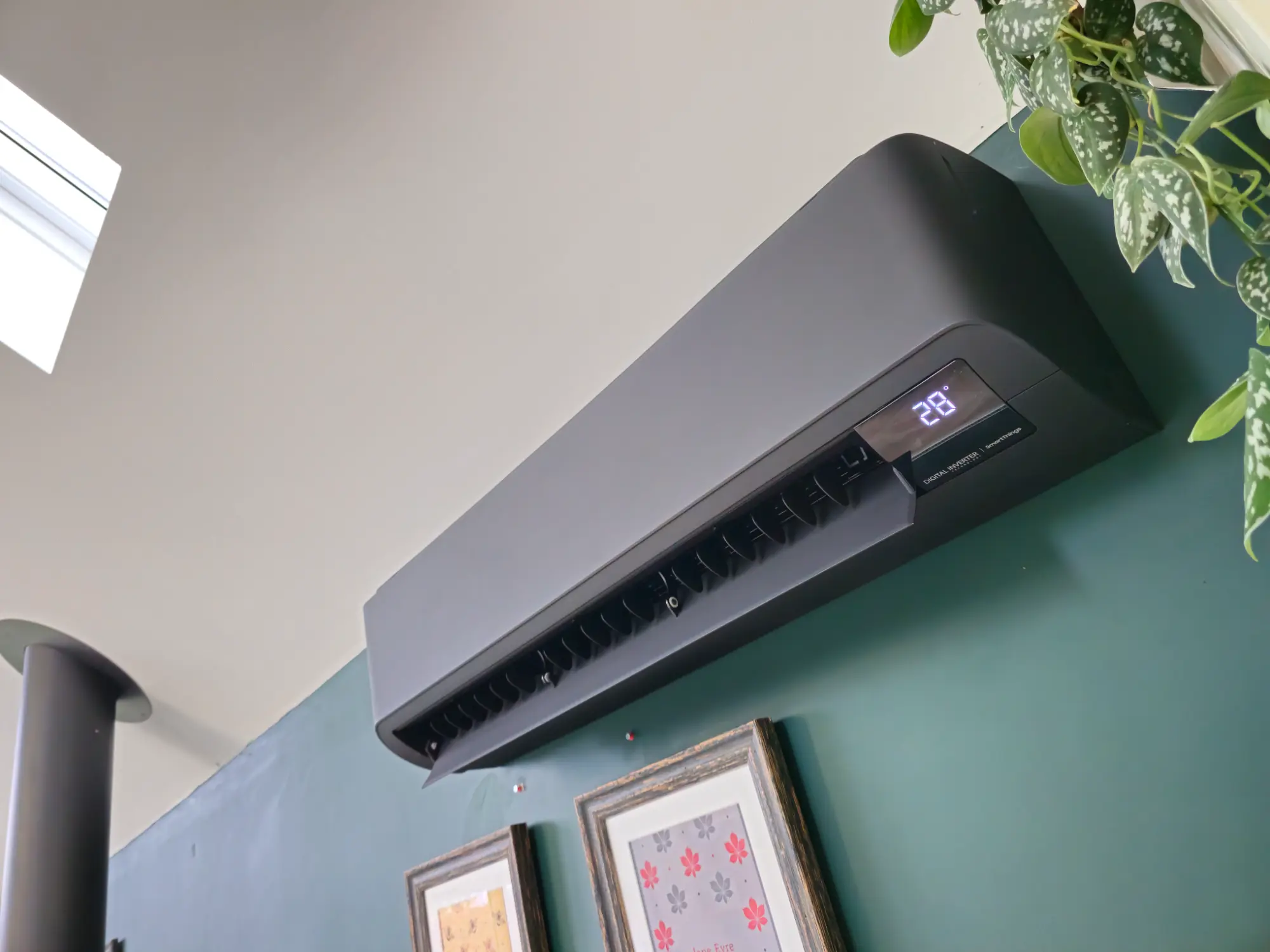
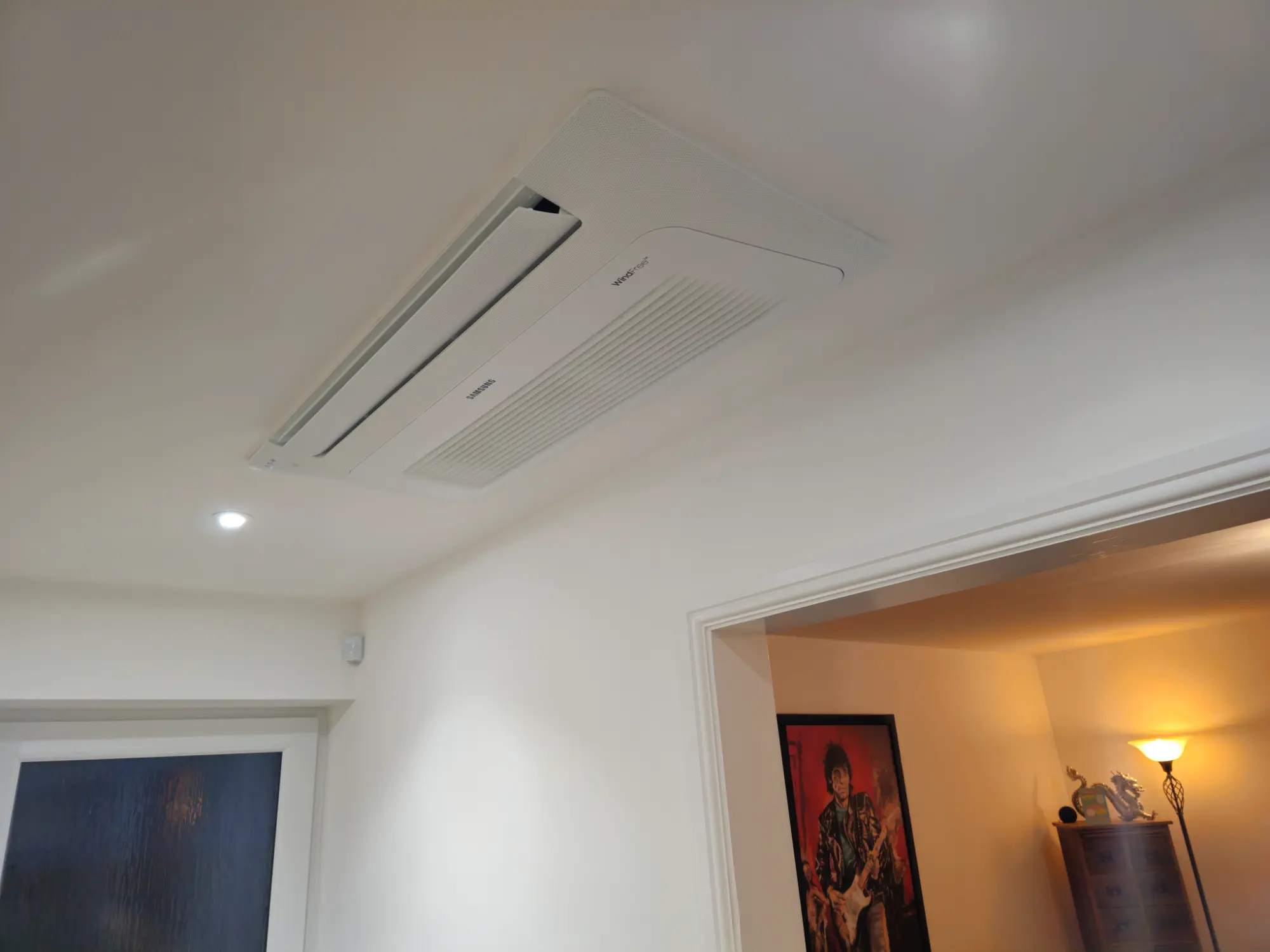
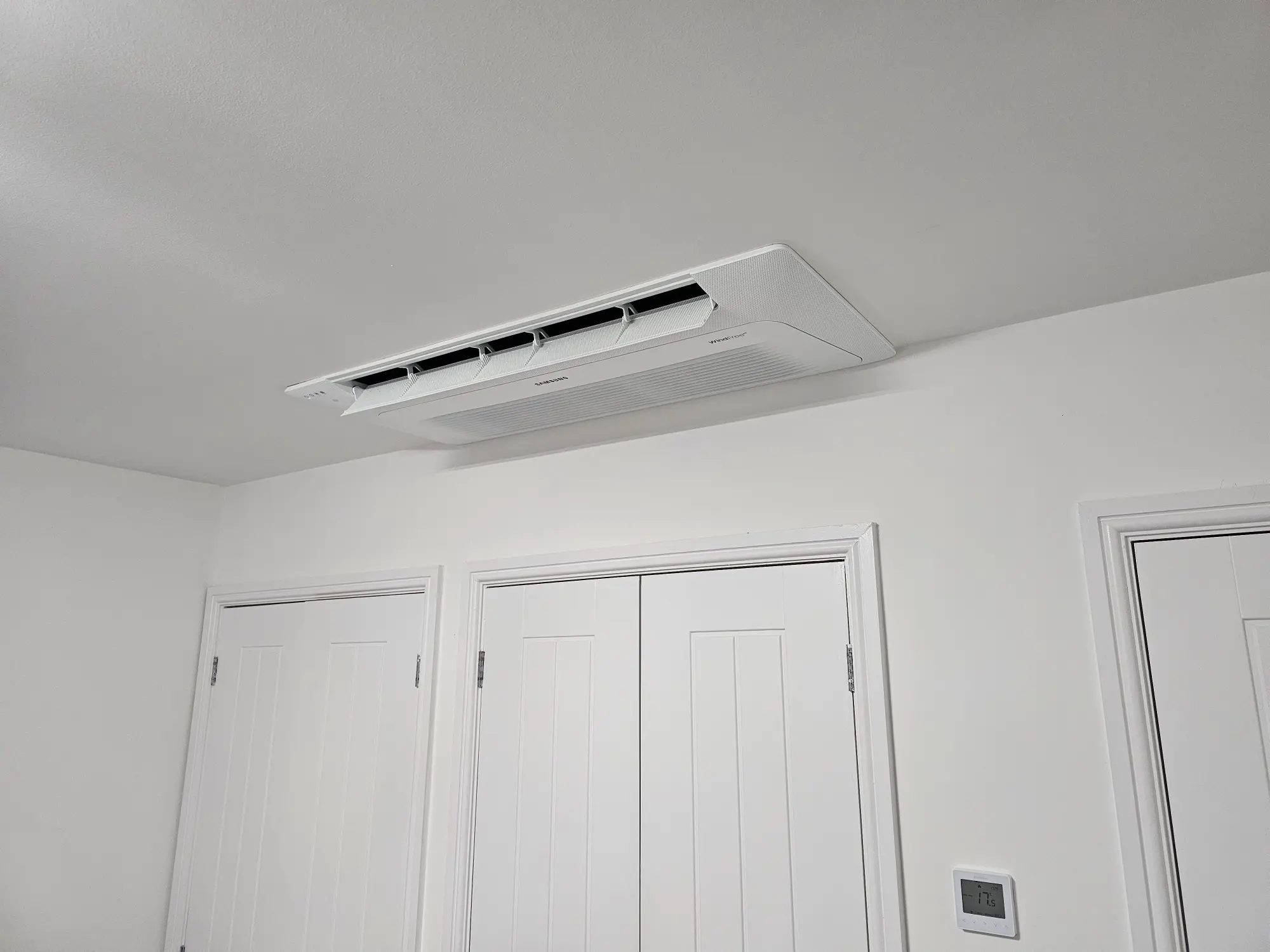
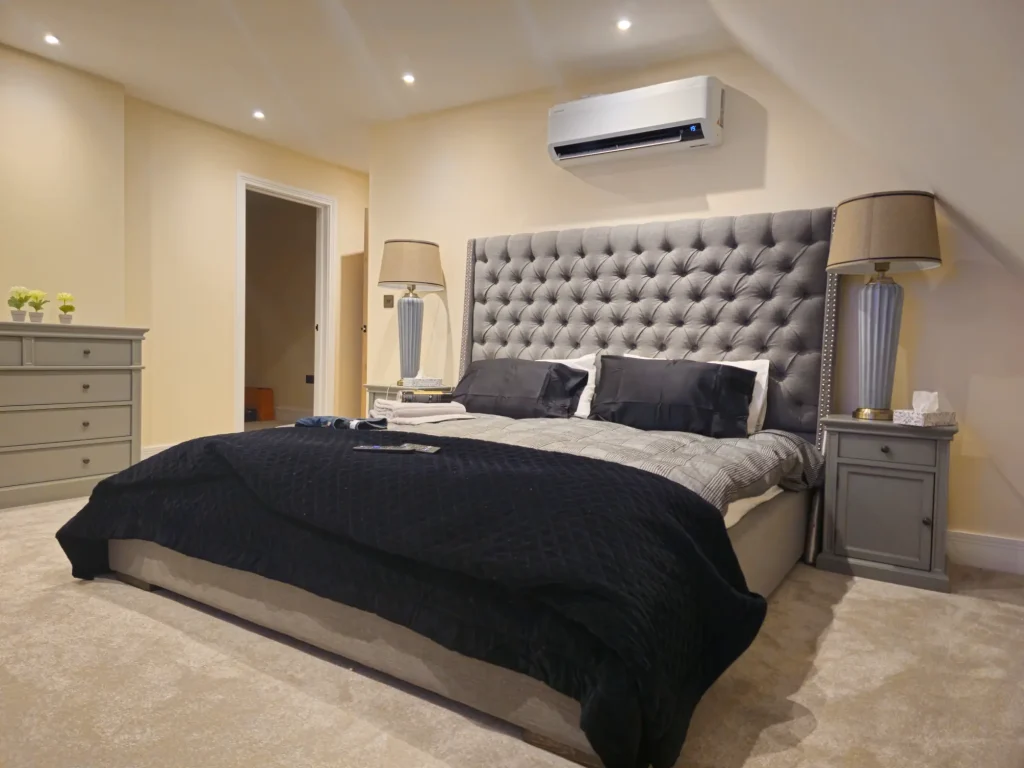
Position your air conditioning so cooled air circulates around the room rather than directly onto the bed. Use sleep mode to reduce fan speed and noise. Set timers to switch off 2-3 hours before you wake if morning temperatures drop naturally.
Consider blackout curtains or blinds. They prevent solar heat gain during the day, reducing how hard your system works overnight. Opening windows during cooler evenings (when air conditioning is off) provides free ventilation.
Some people prefer cooling the bedroom before sleep, then switching off the system entirely. A well-insulated room holds comfortable temperature for several hours, particularly during the critical first sleep cycles.
The Alternative: Heating Mode in Winter
Don’t forget air conditioning heats efficiently too. Cold winter bedrooms below 16°C disrupt sleep as much as hot summer rooms above 24°C. Using heating mode maintains optimal sleep temperature year-round.
Heat pump mode is remarkably efficient, you’ll spend similar amounts heating in winter as cooling in summer, while enjoying consistently good sleep regardless of season.
Children and Air Conditioning
Parents often worry about children sleeping in air-conditioned rooms. The same principles apply: maintain 18-20°C, avoid direct airflow, keep humidity comfortable. Children’s sleep quality benefits enormously from proper temperature control.
Babies are particularly sensitive to temperature. Overheating is a SIDS risk factor, air conditioning helps maintain the recommended 16-20°C for infant sleep safety. Obviously ensure the baby isn’t in direct airflow and check regularly they’re not too cold.
Long-Term Sleep Investment
Quality sleep affects everything: work performance, mood, health, relationships, decision-making. Air conditioning that delivers consistently good sleep throughout summer pays dividends far beyond the electricity cost.
Calculate the value of sleeping well versus lying awake sweating. For most people, the answer is obvious. Modern air conditioning makes year-round quality sleep achievable regardless of outdoor temperature.
Our bedroom installations prioritise quiet operation, precise temperature control, and energy efficiency. During consultations, we’ll recommend systems specifically suited to bedroom use and explain optimal settings for sleep comfort.