Business Climate Control is Different
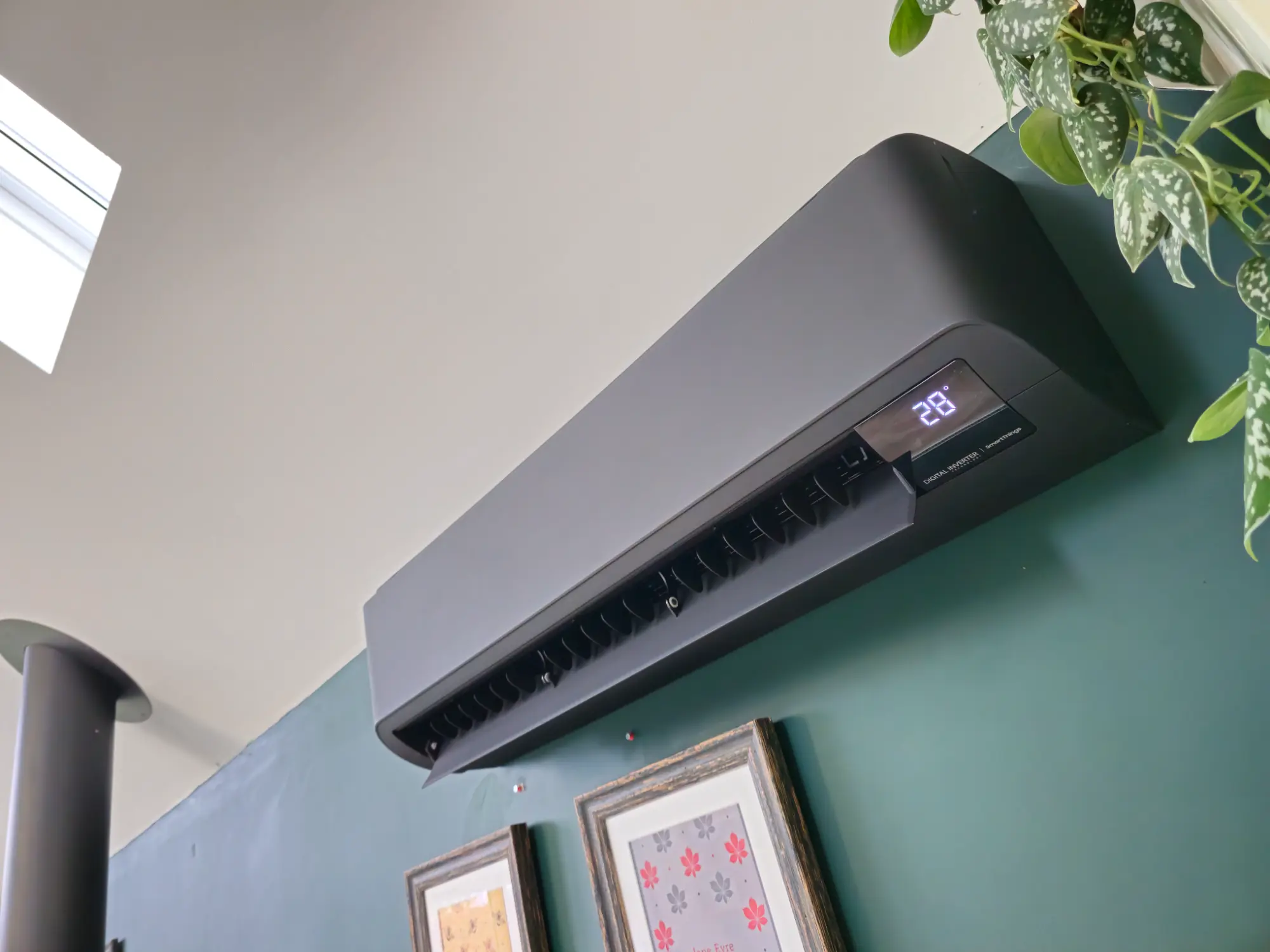
Residential air conditioning and commercial systems share basic technology but face different demands. Homes need comfortable temperature for a few people. Businesses must maintain climate for dozens of staff, customers and heat-generating equipment across larger, more complex spaces.
Choose wrong and you’ll battle uncomfortable staff, complaining customers, and spiralling energy costs. Choose right and climate control becomes invisible infrastructure that simply works.
Assess Your Actual Requirements
Start with honest assessment of your needs, not what sales literature promises.
Occupancy: How many people typically occupy the space? Heat from occupants is significant—30-50 people generate as much heat as a small radiator constantly running.
Equipment Heat Load: Computers, servers, kitchen equipment, machinery, and lighting all generate heat. Server rooms and commercial kitchens have particularly high heat loads requiring substantial cooling capacity.
Operating Hours: Will the system run 9-5 or 24/7? Extended operation changes system selection and running costs significantly.
Zone Requirements: Do different areas need different temperatures? Reception might need 22°C while server rooms need 18°C. Multi-zone systems provide independent control.
Ceiling Height: Standard residential calculations assume 2.4m ceilings. Warehouses, retail spaces, and period buildings with 4-6m ceilings require different approaches to achieve comfort at floor level.
System Types for Commercial Use
Split Systems: One outdoor unit serving one indoor unit. Suitable for small offices, shops, or single rooms. Simple, affordable, reliable. Not ideal for large or multi-room spaces.
Multi-Split Systems: One outdoor unit serving multiple indoor units (typically up to 5). Good for small businesses needing climate control in several rooms. More cost-effective than individual splits.
VRV/VRF Systems: Variable Refrigerant Volume systems serve many indoor units (10-50+) from single or multiple outdoor units. They provide individual zone control, heat recovery, and exceptional efficiency. Ideal for offices, retail, hospitality, healthcare facilities. Higher initial cost but superior long-term value for larger installations.
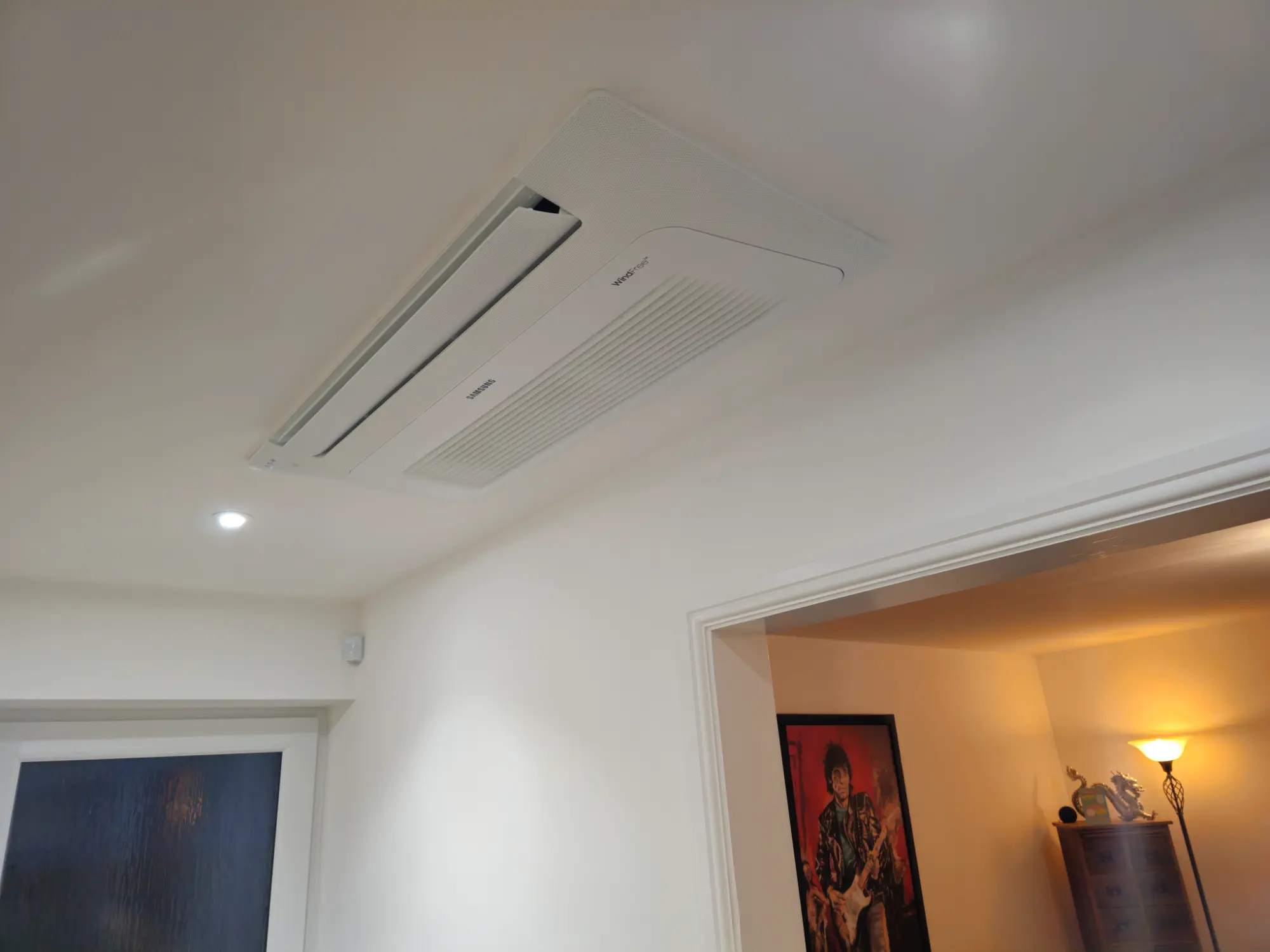
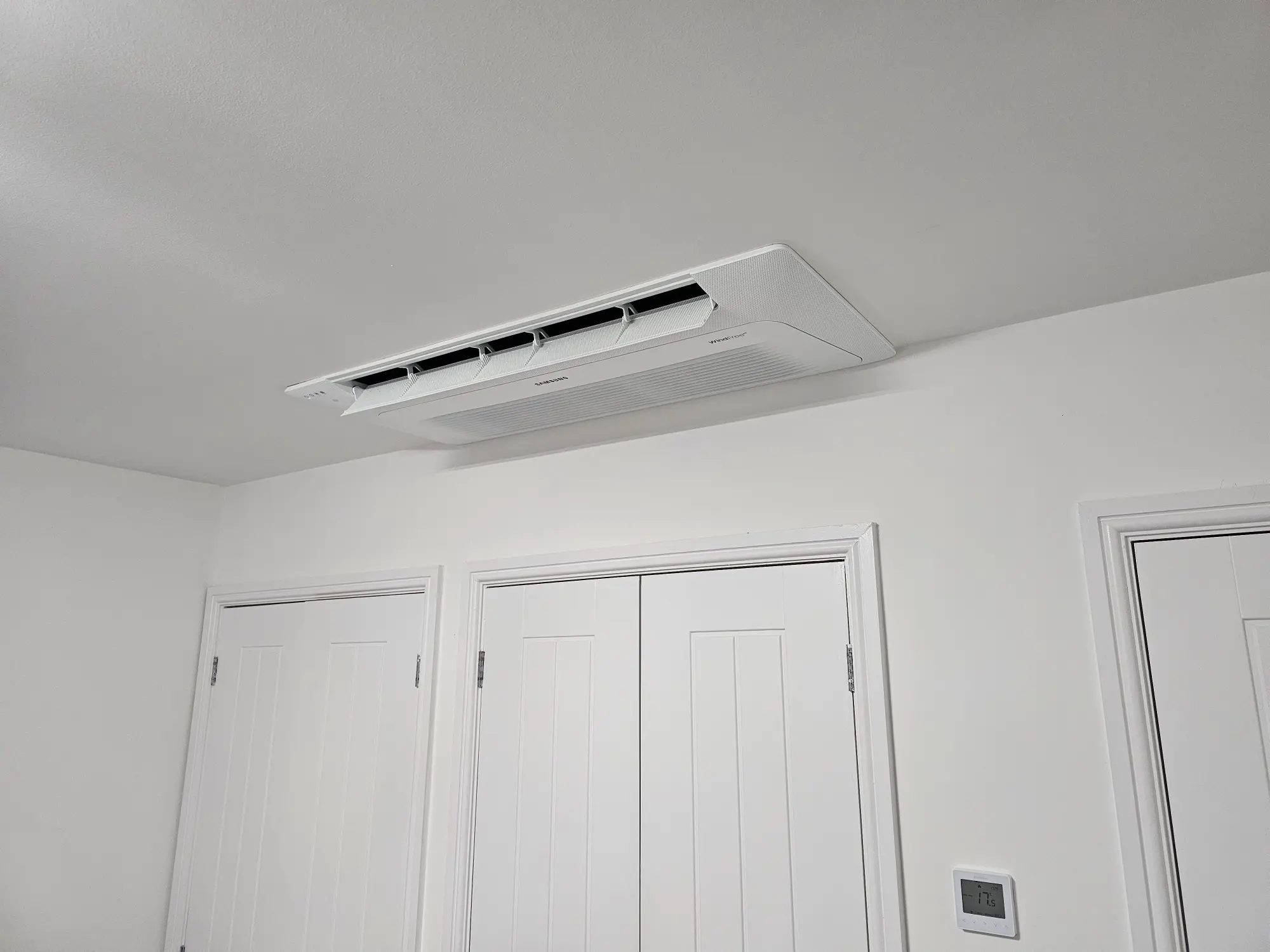
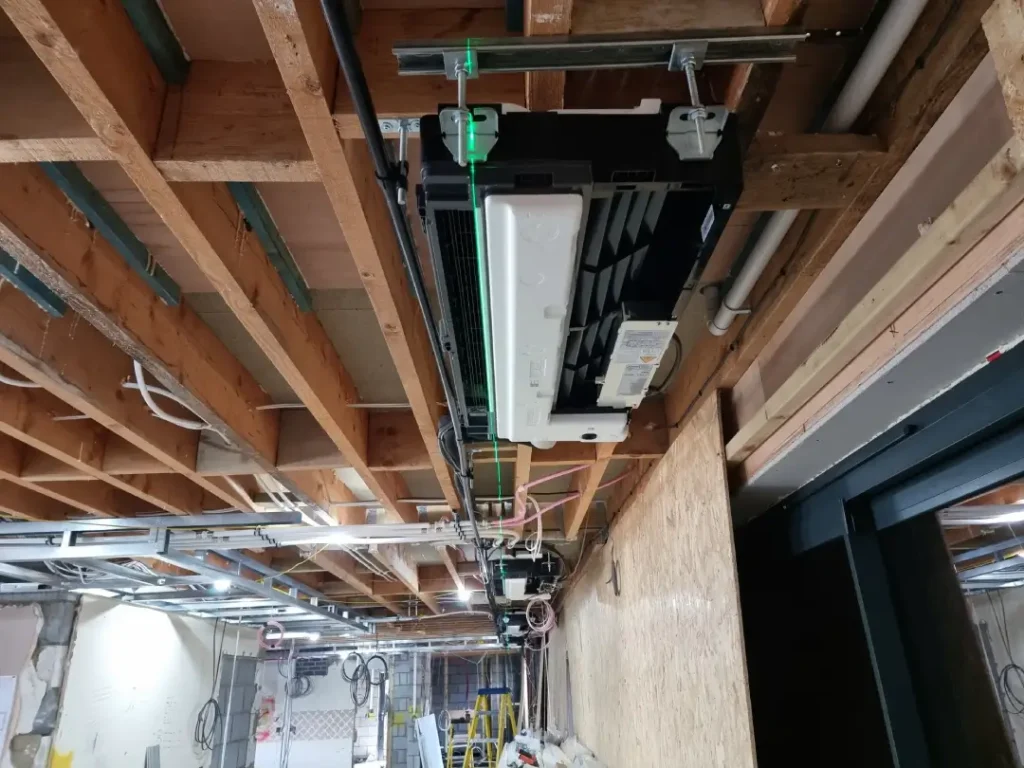
Cassette Units: Ceiling-mounted units distribute air in four directions. Discrete appearance, effective for open-plan offices and retail spaces. Require ceiling voids for installation.
Ducted Systems: Hidden in ceiling voids with only vents visible. Provides uniform appearance and good air distribution. Requires substantial ceiling space and careful acoustic design to minimise noise.
Capacity Calculation Matters More
Undersized commercial systems run constantly, fail to maintain temperature, waste energy trying, and wear out prematurely. Oversized systems short-cycle, provide poor humidity control, and cost more than necessary.
Professional heat load calculations account for building orientation, window area, insulation levels, occupancy, equipment, and lighting. These calculations determine required cooling capacity precisely.
As a rough guide: offices need 100-150 watts per square meter, retail spaces 120-180 watts, restaurants 150-250 watts (higher for kitchens), server rooms 300-500 watts. But these are approximations, proper calculation is essential for significant investments.
Energy Efficiency Impacts Running Costs
Commercial air conditioning operates far more hours than domestic systems. Efficiency differences compound into substantial cost variations.
A 15kW system with SEER 6.0 operating 10 hours daily costs approximately £1,800 annually. The same usage with SEER 8.5 costs £1,270 annually, £530 saved each year. Over 15 years that’s £7,950 saved, far exceeding any initial price premium for efficient equipment.
Look for inverter-driven systems with high SEER ratings (above 6.5 for commercial applications). Variable speed operation dramatically reduces energy consumption compared to fixed-speed equipment.
Noise Levels Matter
Commercial spaces have different acoustic requirements than homes. Reception areas need quiet operation. Workshops can tolerate more noise.
Specify maximum noise levels for your environment. Quality commercial systems achieve 35-45 dB in offices and retail, noticeable but not intrusive. Server rooms and plant rooms can accept 50-60 dB.
Maintenance and Support
Commercial systems require regular professional maintenance, typically quarterly for heavy use, biannually minimum. Service contracts provide:
- Scheduled preventive maintenance
- Priority response for breakdowns
- Predictable annual costs
- Extended equipment lifespan
- Maintained warranty coverage
Factor maintenance costs (typically 8-12% of installation cost annually) into budgets. Neglected commercial systems fail prematurely and cost more to operate.
Installation Disruption
Commercial installations require careful project management to minimise business disruption. Work can often be scheduled evenings, weekends or during quiet periods. For larger projects, phased installation maintains partial operation throughout.
Typical timelines: single-room installations complete in 1-2 days. Multi-room offices take 3-7 days depending on complexity. Large VRV systems for substantial commercial properties require 1-3 weeks.
Planning and Building Regulations
Commercial installations may require building regulations approval, particularly for new builds or significant alterations. Outdoor units in visible locations might need planning permission, especially in conservation areas.
We handle liaison with building control and provide necessary documentation. For planning applications, we can recommend positioning that minimises visual impact while maintaining system efficiency.
Finance Options for Business Investment
Commercial air conditioning is capital expenditure that delivers ongoing operational benefits. Finance options spread costs while you immediately enjoy benefits:
- Business loans (5-10 year terms typical)
- Operating leases (treats installation as operational expense)
- Hire purchase (own equipment at term end)
Energy bill savings often offset finance payments partially or completely, making commercial air conditioning essentially self-funding through operational cost reduction.
The Productivity Factor
Comfortable staff are productive staff. Research consistently shows cognitive performance decreases above 24°C. Response times slow, error rates increase, concentration diminishes.
For office environments, the productivity gain from optimal temperature (21-23°C) often exceeds climate control costs. If 20 staff each become 5% more productive, that’s equivalent to one additional full-time employee easily justifying air conditioning investment.
Customer Comfort Drives Revenue
Retail and hospitality businesses particularly benefit from customer comfort. Uncomfortably hot shops see reduced dwell time and lower sales. Restaurants with poor climate control get negative reviews and fewer repeat customers.
The revenue impact of comfortable premises typically exceeds running costs substantially. Air conditioning isn’t a luxury, it’s revenue protection and enhancement.
Choosing Your Installer
Commercial installations require expertise beyond domestic work. Look for installers with:
- Commercial installation portfolio
- F-Gas and relevant trade certifications
- Project management capability
- Maintenance and support services
- Local presence for responsive support
We’ve installed commercial systems for offices, retail units, restaurants, gyms, healthcare facilities, and industrial premises across Norfolk, Cambridgeshire, and Lincolnshire. Our project managers coordinate installations to minimise disruption while our maintenance team provides ongoing support.
Start with Consultation
Commercial air conditioning isn’t one-size-fits-all. During free site surveys we assess your space, discuss requirements, calculate heat loads, recommend appropriate systems and provide detailed quotations.
You’ll understand exactly what you’re getting, why we’re recommending it, what it’ll cost to install and what ongoing running and maintenance costs to expect. Informed decisions beat sales pressure every time.
Your business deserves reliable climate control designed specifically for your needs and delivered by engineers who understand commercial environments.