The Confusion is Understandable
Ask most people about air conditioning and they’ll describe cooling. Ask about heat pumps and they’ll mention heating. Both answers are correct and both are incomplete. The reality is more nuanced and more interesting.
What Air Conditioning Actually Does
Modern air conditioning units are heat pumps. They move heat from inside your property to outside, cooling your indoor space. But quality systems also reverse this process, extracting heat from outdoor air and moving it inside to warm your home.
This dual functionality means “air conditioning” is actually a heating and cooling system. It’s not just for summer, it works year-round. Many people don’t realise their air conditioning can efficiently heat their home during winter.
What Air Source Heat Pumps Are
Air source heat pumps are designed primarily for heating. They extract warmth from outdoor air, even when it’s freezing and transfer it indoors. Most modern heat pumps also provide cooling, making them functionally identical to air conditioning systems.
The main difference? Marketing and primary use case. Heat pumps are typically positioned as renewable heating solutions eligible for government grants. Air conditioning is marketed for cooling but does exactly the same job.
The Technical Reality
Both systems use identical technology: a refrigerant cycle that moves heat from one place to another. Both have indoor and outdoor units. Both can heat and cool. The equipment is essentially the same.
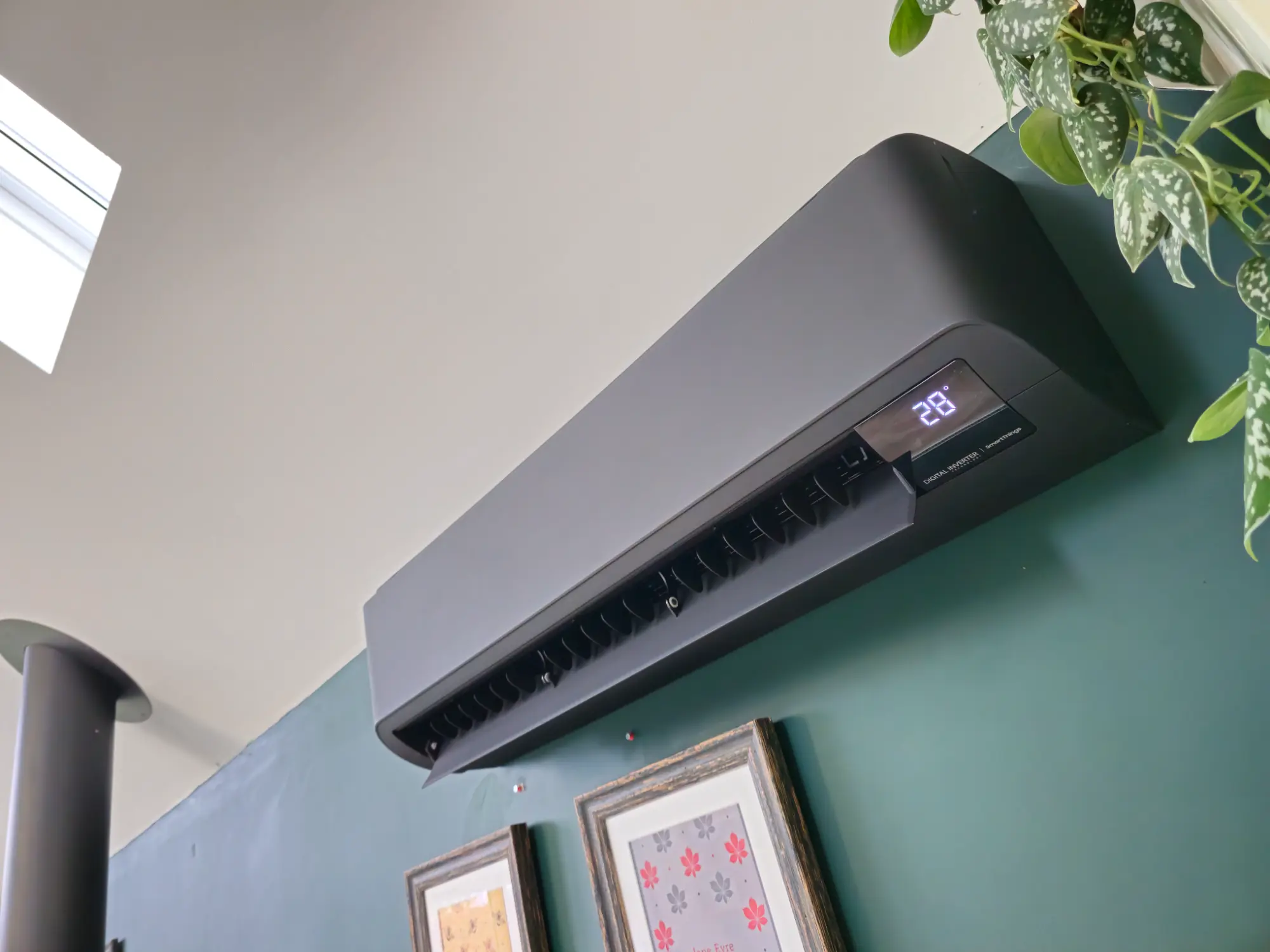
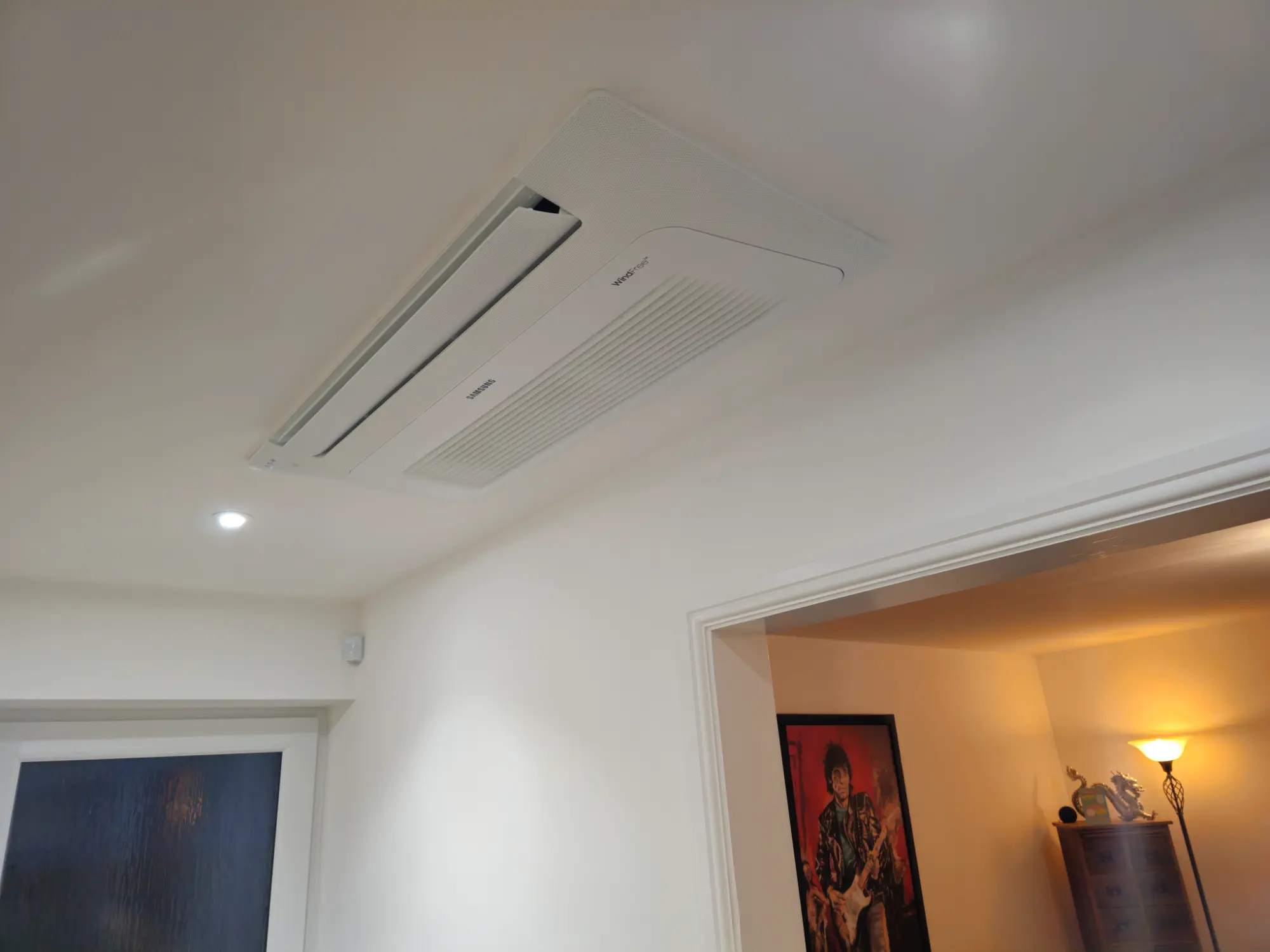
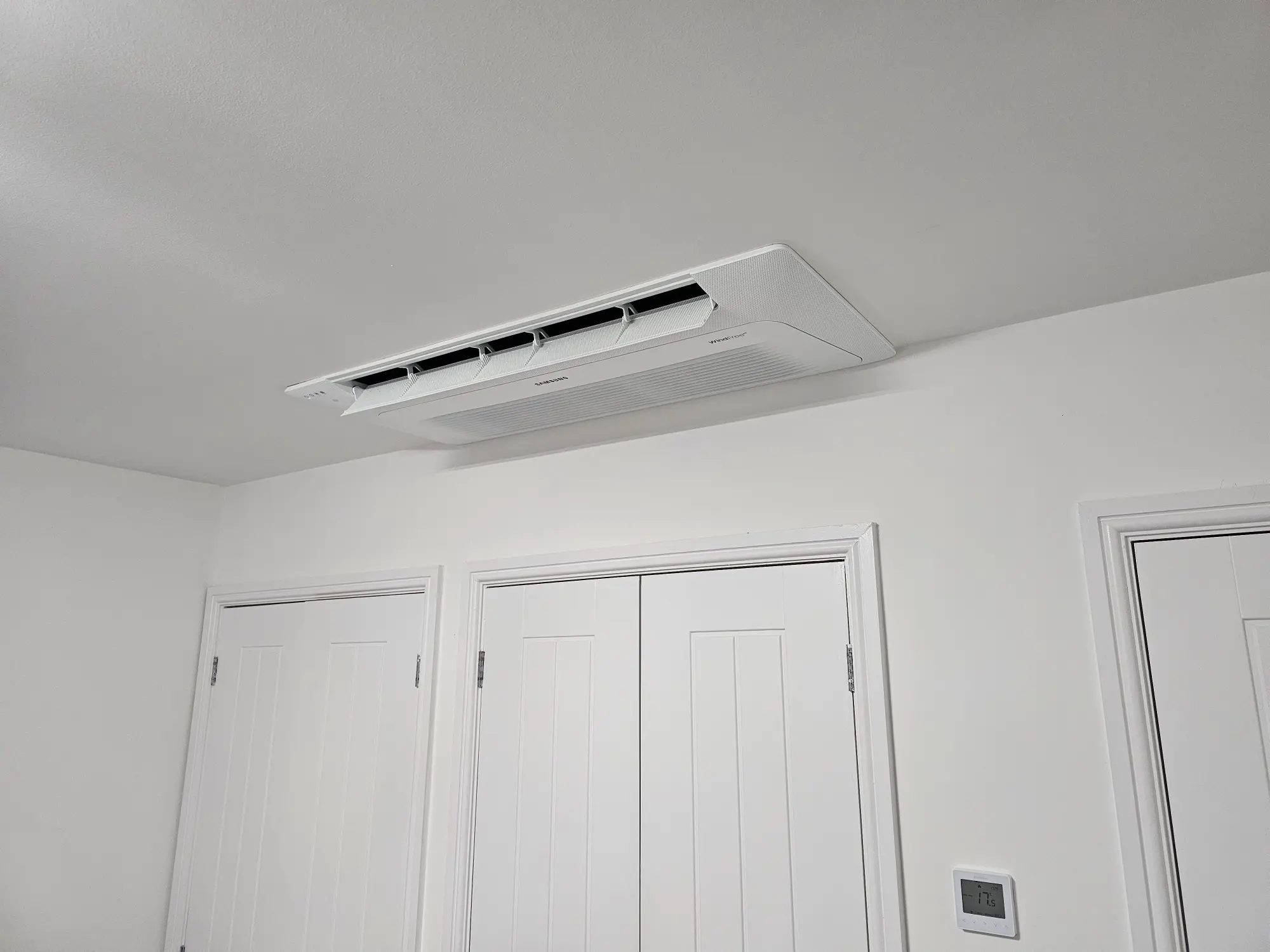
Where they differ is installation approach and optimisation. Heat pumps are often integrated with your existing heating system, working alongside radiators or underfloor heating. Air conditioning typically uses wall-mounted units that provide localised heating and cooling.
Which Should You Choose?
If you’re replacing a boiler and want whole-house heating with the ability to cool a few rooms, an air source heat pump integrated with radiators makes sense. If you want efficient room-by-room climate control with both heating and cooling, air conditioning units are ideal.
Budget matters too. Heat pump installations eligible for the £7,500 Boiler Upgrade Scheme can offset costs significantly when replacing oil, LPG, or electric heating. Air conditioning installations are typically simpler and quicker but don’t qualify for grants unless you’re replacing non-gas heating.
The Best of Both Worlds
Many of our Norfolk clients install both. A heat pump handles whole-house heating through existing radiators. Air conditioning units in bedrooms and living areas provide supplementary heating, summer cooling, and zone control. This combination delivers maximum comfort and flexibility.
Energy Efficiency is Identical
Both air conditioning and air source heat pumps achieve SCOP (Seasonal Coefficient of Performance) ratings of 3-4. This means they generate 3-4 units of heat for every unit of electricity consumed, far more efficient than traditional heating systems.
Running costs are comparable. A well-specified heat pump costs roughly the same to operate as air conditioning in heating mode. The choice isn’t about efficiency, it’s about how you want to distribute heating and cooling throughout your property.
Installation Differences
Heat pump installations are more involved, especially when integrating with existing heating systems. Expect 2-3 days for professional installation, heat loss calculations and system balancing. Air conditioning installs faster, typically 1-2 days for multiple units.
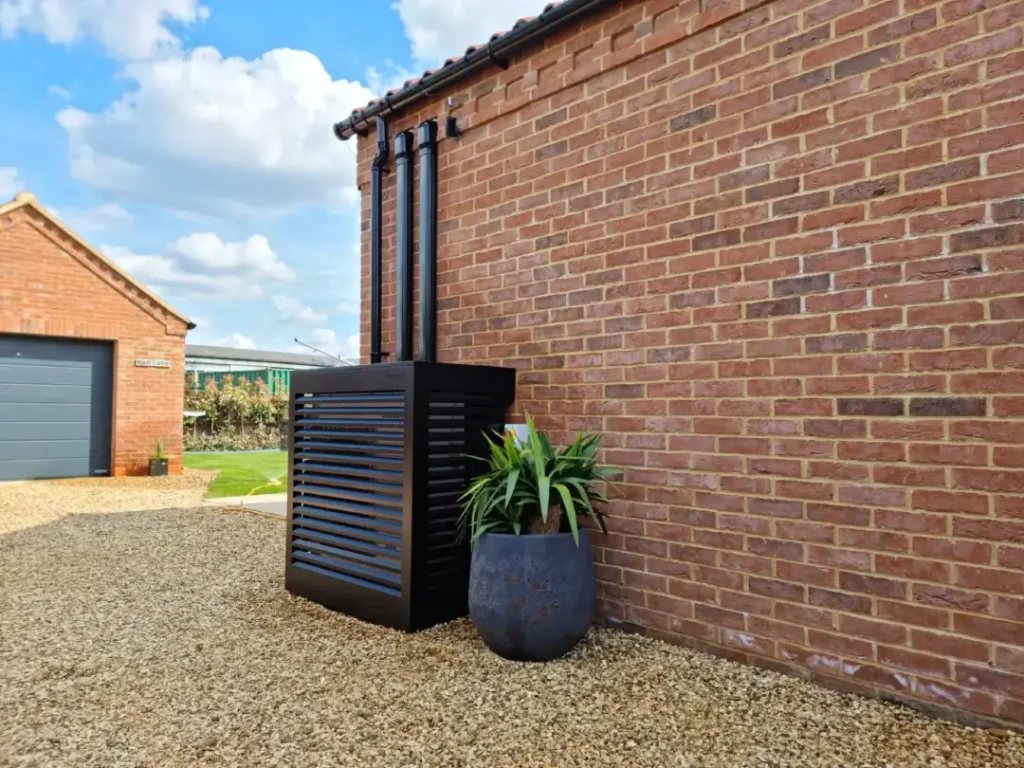
Both require outdoor units. Heat pumps need space for larger equipment and good airflow. Air conditioning outdoor units are more compact and flexible for positioning.
The Honest Answer
Air conditioning and air source heat pumps are the same technology with different emphasis. One isn’t better than the other, they’re tools for different situations. Your property layout, existing heating system, budget, and grant eligibility determine which approach suits you best.
Our team assesses your specific circumstances during free consultations. We’ll explain which option makes most sense for your home, running costs you can expect, and whether grant funding applies. No sales pressure, just honest advice based on a decade of installations across Norfolk.